Posted on September 10, 2024
In the modern workplace, co-working spaces have emerged as hubs of creativity, innovation, and collaboration. These flexible, shared environments offer more than just a desk and Wi-Fi; they cultivate a dynamic atmosphere that encourages interaction, networking, and the cross-pollination of ideas. But what makes co-working spaces so conducive to innovation and collaboration? Let’s explore the key factors that drive these outcomes.
1. Diverse Community of Professionals
Co-working spaces attract a wide array of professionals from different industries, including freelancers, startups, and established companies. This diversity creates a melting pot of ideas, skills, and perspectives. When people from different fields interact, it often leads to the generation of new ideas and solutions that might not have emerged in a more homogeneous environment. For instance, a software developer might collaborate with a graphic designer to create a groundbreaking app, or a marketing expert might team up with a legal professional to launch a new business venture.
2. Opportunities for Networking
One of the most significant advantages of co-working spaces is the opportunity for networking. These spaces are designed to foster interaction, with communal areas, shared facilities, and regular events that bring people together. Networking in a co-working space is often more organic and less forced compared to traditional networking events. The casual, day-to-day interactions that occur in a co-working environment can lead to meaningful business connections and partnerships.
3. Access to Shared Resources
Co-working spaces often provide access to resources that might be expensive or difficult for individuals or small teams to obtain on their own. This includes high-speed internet, state-of-the-art office equipment, meeting rooms, and even mentorship or consulting services. These resources level the playing field, allowing smaller businesses or solo entrepreneurs to compete with larger companies. Having access to such resources enables teams to focus on innovation rather than logistics.
4. Collaborative Environment
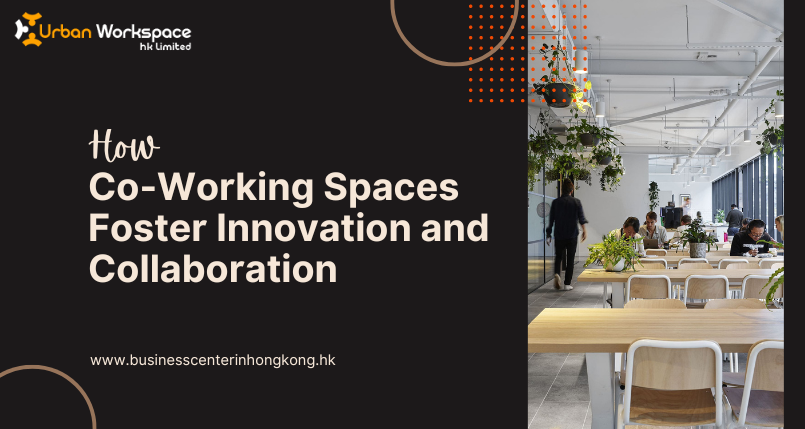
The physical layout and design of co-working spaces are typically geared towards fostering collaboration. Open-plan layouts, communal tables, and breakout areas encourage spontaneous interactions and discussions. Moreover, co-working spaces often host workshops, seminars, and brainstorming sessions, providing further opportunities for collaboration. This environment makes it easier for people to seek feedback, share ideas, and work together on projects.
5. Increased Flexibility and Adaptability
Co-working spaces offer a level of flexibility that traditional office spaces do not. Members can choose when and where they work, allowing them to adapt their schedules to optimize productivity and creativity. This flexibility is particularly beneficial for innovation, as it allows individuals and teams to work during their peak creative hours. Additionally, the ability to scale up or down as needed without long-term commitments enables businesses to stay agile and responsive to changing market conditions.
6. Inspiring Atmosphere
The atmosphere in a co-working space is often buzzing with energy and creativity. The presence of other motivated professionals working on exciting projects can be highly inspiring. This collective energy can boost morale and drive individuals to push their boundaries, leading to greater innovation. Moreover, the aesthetic design of many co-working spaces, often featuring modern, creative interiors, contributes to a stimulating work environment.
7. Supportive Community
Beyond just a place to work, co-working spaces often foster a sense of community among their members. This community support can be invaluable, particularly for startups and freelancers who might otherwise feel isolated. Knowing that there is a network of like-minded professionals who can offer advice, share experiences, and provide moral support can be a significant motivator. This sense of belonging can drive individuals to take risks, experiment, and innovate.
Conclusion: Co-Working Spaces as Catalysts for Innovation
Co-working spaces are more than just a trend; they are powerful enablers of innovation and collaboration. By bringing together a diverse community of professionals, providing access to shared resources, and fostering a collaborative environment, these spaces create the ideal conditions for new ideas to flourish.
For those in Hong Kong looking to leverage the benefits of co-working spaces, options like those offered by Urban WorkSpace HK Limited provide not only a flexible workspace but also a vibrant community where innovation and collaboration thrive. Whether you're a startup looking to scale or a freelancer seeking inspiration, co-working spaces can be the springboard to your next big idea.






Trusted by entrepreneurs, startups, SMEs, and international companies for Hong Kong company formation, virtual office solutions, registered business address, company secretary services, and ongoing business support.

Business Center in Hong Kong made our Hong Kong company registration process simple and stress-free. Their consultants handled everything professionally, from documentation to incorporation. The communication was excellent, and our company was established faster than expected.

We selected their Virtual Office in Hong Kong package and couldn't be happier. The prestigious business address, professional mail handling, and responsive customer support have helped us build credibility with our international clients.

Their team provided outstanding assistance with company incorporation, company secretary services, and annual compliance. Every step was transparent, professional, and completed on time. Highly recommended for overseas entrepreneurs.

We were looking for reliable business setup services in Hong Kong, and this team exceeded our expectations. Their knowledge of local regulations and quick responses made the entire process smooth and efficient.

We've been using their registered office address and company secretary services for over two years. Everything is managed professionally, allowing us to focus entirely on growing our international business.

Excellent service from start to finish. From Hong Kong business registration to ongoing compliance support, every interaction has been professional, transparent, and reliable. We confidently recommend Business Center in Hong Kong.